Diagnostic-Grade Testing
Whole-Home Energy Audits (Diagnostic-Grade)
A real energy audit is not a person walking your rooms with a clipboard. It is an instrument-based diagnostic process — a blower door, a thermal camera, a combustion analyzer, and a duct blaster all deployed at your address — that produces hard, repeatable numbers. Those numbers are what tell you where the house is actually failing, and they are what utility and federal rebate programs require before they release a dollar.
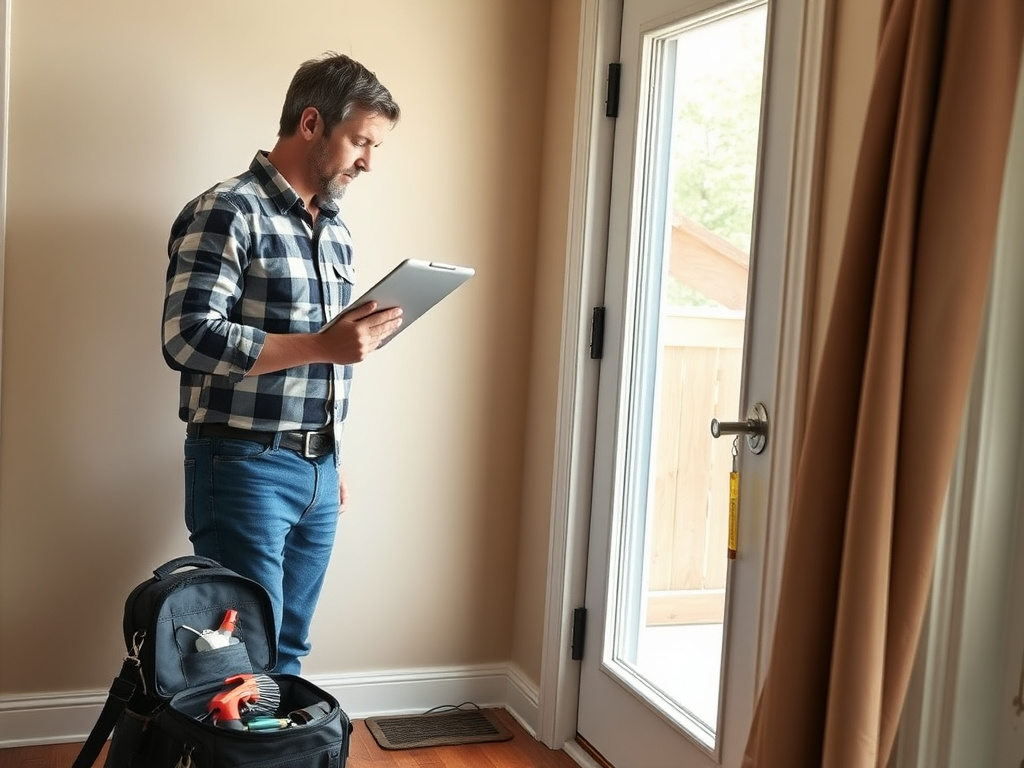
What Number This Test Produces
Full Diagnostic Report
ACH50, duct leakage, and a prioritized ROI-ranked recommendation list
Which Rebate This Unlocks
25C + HOMES Eligibility Packet
Your audit report becomes the documentation your rebate application needs
The Difference That Matters
A BPI-Standard Diagnostic Audit vs. a "Walkthrough" Audit
Plenty of companies advertise a free or low-cost energy audit. In most cases what actually happens is a twenty-minute walkthrough: a technician moves room to room, feels for a draft near the windows, glances into the attic hatch, and leaves you with a generic checklist recommending more insulation and newer windows. No instrument ever touches the house. No number is produced. It is an opinion wearing the shape of an inspection, and because it never measures anything, it is not accepted as documentation by any federal tax credit program or utility rebate administrator — they need data, not an impression.
A BPI-standard diagnostic audit is built around instrumentation from the first minute to the last. We depressurize the home with a calibrated blower door to measure precisely how much air is escaping the envelope. We scan walls and ceilings with an infrared camera to surface thermal bypasses that are invisible to the eye. We test every combustion appliance for backdraft risk before recommending that anything get sealed tighter. Every line item in your final report traces back to a specific instrument reading, not a guess — which is exactly why the report holds up when you file for incentive dollars.
The Instruments
The Diagnostic Instruments We Bring to Every Audit
A diagnostic-grade audit is only as good as the equipment behind it. The blower door and manometer depressurize the structure to a standardized 50 Pascals and measure the resulting airflow as an ACH50 score — the industry benchmark for envelope leakage. The infrared thermal camera reads surface-temperature variance across walls, ceilings, and floors to flag missing or compressed insulation, moisture intrusion, and thermal bridging at framing members. A combustion analyzer checks every gas or oil-fired appliance for carbon monoxide output, draft strength, and backdraft risk, which matters more, not less, once a house gets sealed tighter. The duct blaster isolates the duct system from the rest of the envelope and measures how much conditioned air is escaping into unconditioned space before it ever reaches a register. None of these instruments work in isolation — the audit report is built by cross-referencing what each one independently confirms.
Every instrument in the kit is calibrated on a documented schedule, and every reading is recorded with the specific unit and calibration date attached, not just the number itself. That level of detail is what separates a diagnostic-grade report from an informal one — a program administrator reviewing a rebate application needs to see that the number came from a traceable, calibrated source, not an estimate written down after the fact.
On Site
What to Expect During the Audit Visit
A full diagnostic audit typically runs two to four hours on site, depending on square footage and how many instrument bundles you have selected. We start with a walk-through to note construction era, HVAC configuration, and any specific concerns you want investigated — a room that never holds temperature, a recurring ice dam, higher-than-expected utility bills. From there the blower door goes up in an exterior doorway and stays running for most of the visit, so the thermal camera can read air leaks under active depressurization rather than under normal, static conditions. The duct blaster and combustion analyzer are run in parallel where the layout allows it, and every finding is photographed and logged against a specific instrument reading as we go, rather than reconstructed from memory afterward.
Every test we run is non-invasive. The blower door temporarily mounts in a doorway and comes down at the end of the visit; thermal imaging and combustion testing require no drilling or cutting into finished surfaces. You do not need to prepare the house beyond providing access to the attic, mechanical spaces, and every room, and having someone available who can answer questions about past renovations or known trouble spots.
Your Deliverable
What the Final Report Actually Contains
You are not paying for a visit — you are paying for a document. Every diagnostic audit we perform produces a written report engineered to double as evidence for rebate and tax credit applications, not just a to-do list handed to your contractor. That means every reading is time-stamped, every instrument is calibrated, and every recommendation is tied back to the specific measurement that generated it, so there is no ambiguity when a program administrator reviews the file.
Diagnostic Scores
- ACH50 (air leakage)
- Measured
- Duct leakage (CFM25)
- Measured
- Thermal delta-T findings
- Documented
- Combustion safety pass/fail
- Tested
Action Plan
- ROI-ranked recommendations
- Included
- Room-by-room thermal findings
- Included
- Rebate/credit crosswalk
- Included
- Photo & instrument documentation
- Included
Investment
Typical Cost Range and What Drives the Price
Diagnostic audit pricing scales primarily with square footage and how many instrument bundles the job requires. A single blower door test on its own runs considerably less than a full multi-instrument audit, but bundling every diagnostic into one visit is typically cheaper per test than booking each one separately, since the crew is already on site with equipment staged. Homes with more HVAC zones, additional structures such as a detached garage or finished basement, or known problem areas that need extra investigation time also push the price up. Multifamily and larger properties are quoted individually because the scope varies unit to unit.
| Item | Approx. Home Size | Full Diagnostic Audit |
|---|---|---|
| Under 1,800 sq ft | Entry tier | |
| 1,800 – 3,200 sq ft | Mid tier | |
| 3,200+ sq ft / multifamily | Custom quote |
Exact pricing depends on square footage, number of HVAC zones, and which instrument bundle you select. Request a quote for a number specific to your address.
Homeowners sometimes compare a diagnostic audit price against a free utility walkthrough and assume they are the same service at different price points. They are not. A free walkthrough is a marketing tool built to sell insulation or window replacement, with no calibrated instrument involved and no report format that a rebate administrator will accept. A paid diagnostic audit is a measurement service — the cost reflects calibrated equipment, technician certification, and a report built to survive scrutiny from a program reviewer. For most homeowners, the audit fee is recovered many times over the first year simply through the rebate and tax-credit dollars the report makes possible to claim.
From Audit to Check
How This Audit Becomes Your Rebate and Tax-Credit Evidence
Federal 25C tax credits and utility HOMES-style rebates do not take a contractor's word that a house improved — they require documented, instrument-measured proof, both before and after the work. That is the entire reason the diagnostic audit exists in the form it does: the ACH50 baseline, the duct leakage figure, and the thermal findings your audit produces are the exact data points program administrators ask to see attached to an application. Once upgrade work is complete, a follow-up test on the same equipment, run to the same standard, generates the after-number that proves the improvement actually happened. Skipping the diagnostic step does not just leave you guessing about what to fix — it leaves you unable to prove any of it later, which is often the difference between an approved rebate application and a rejected one.
We sequence every audit with that paperwork trail in mind. Findings are organized by return-on-investment rather than by which problem feels most urgent, so the recommendations you act on first are the ones that unlock the most combined savings and incentive dollars, not just the ones that were easiest to spot on a walkthrough.
It is also why we recommend a diagnostic audit before you sign a contract with any upgrade contractor, not after. Walking in with your own ACH50, duct leakage, and thermal data means you can evaluate a contractor's proposed scope against objective numbers instead of a sales pitch, and it means the upgrade work itself gets scoped to the problems your house actually has rather than a generic package.
Related Diagnostics
Get the Numbers Before You Spend a Dollar on Upgrades
Book a full diagnostic-grade audit and walk away with a certified, ROI-ranked action plan plus the documentation your rebate application needs.